Not her first Rodeo
Basically everyone in Houston has been rapt with the slow-car-crash feud between our County Judge and one of the most cherished institutions in the region, the Houston Rodeo. The chief executive for the largest county in the state, whom I certainly respect, has often found herself targeted by detractors for emotional outbursts that lack the decorum required of the moment. That history did not help her during this week’s back-and-forth. Ultimately, her embattled communications led to her removal from the position as the Rodeo’s Ex-Oficio Director, an unnecessary black mark on her final year in office.
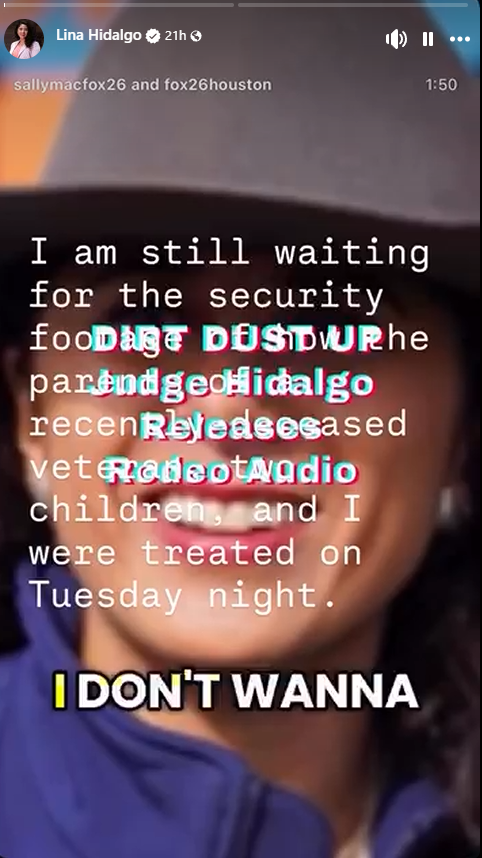
This poorly-constructed social media post in the County Judge’s beef against the Rodeo detracts from her message.
As I watched it all unfold, I had to ask myself— where was her support? The barrage of posts from her political social media accounts were frantic and did not appear to demonstrate any strategic planning. The Stories posts were haphazard, the text-over-video was unreadable, and the tone she chose only undermined the message she was trying to send. So what would I have done? I don’t know specifically which steps this executive did take, but here’s my suggestion:
Before any social content, any press release, any media interview about a new topic like this, the executive needs to hot wash the incident with their Chief of Staff and their Communications Director. This is the opportunity to go over the incident, identify what happened and determine what important facts should be in the message. This also serves to get the executive to say all the swear words, do all the name calling, and get all of the unprofessional communication out of the way, behind closed doors, so that a strategic message can emerge.
Determine the objective of the message. How do you want your words to impact change? The Judge referred to her guests, the family of fallen and active servicemembers, multiple times in her communication, but that part of the message was lost because the story became about her being “manhandled.” She also made allegations of sexism and racism against the Rodeo, which again muddied the waters and made the response seem reactionary. Like any big problem, let’s eat this elephant one bite at a time— pick a problem and focus on that first.
As you draft the initial message, keep your audience in mind. As the County Judge, this executive should expect that her message is being received by more than the residents in her jurisdiction. Business owners, potential business owners, and other executives who plan large, tax-revenue-drawing events will also be taking note of the words that are chosen.
Before hitting “send,” with the executive, Chief of Staff, and Comms Director all in the room together, ask the question again — does this message serve to meet our communications objective? Is this the battle worth fighting, and if it is, is this the way we make our first strike? There have been plenty of times that drafted messages stayed on the cutting room floor because the signal-to-noise ratio wasn’t strong enough. Make the right choice, because this is the last chance before the story grows legs of its own.
Does what I’m saying ring true to you? Could you use some support with a crisis comms moment your organization is facing? Send me a message and let’s talk.
